
Gout
What is Gout?
Gout is a common type of inflammatory arthritis characterized by sudden, severe pain, swelling, and redness in the joints. It most commonly affects the joint at the base of the big toe but can also impact other joints such as the ankles, knees, elbows, wrists, and fingers. Gout occurs due to an accumulation of uric acid in the blood, which can form sharp crystals in the joints, leading to intense pain and inflammation.
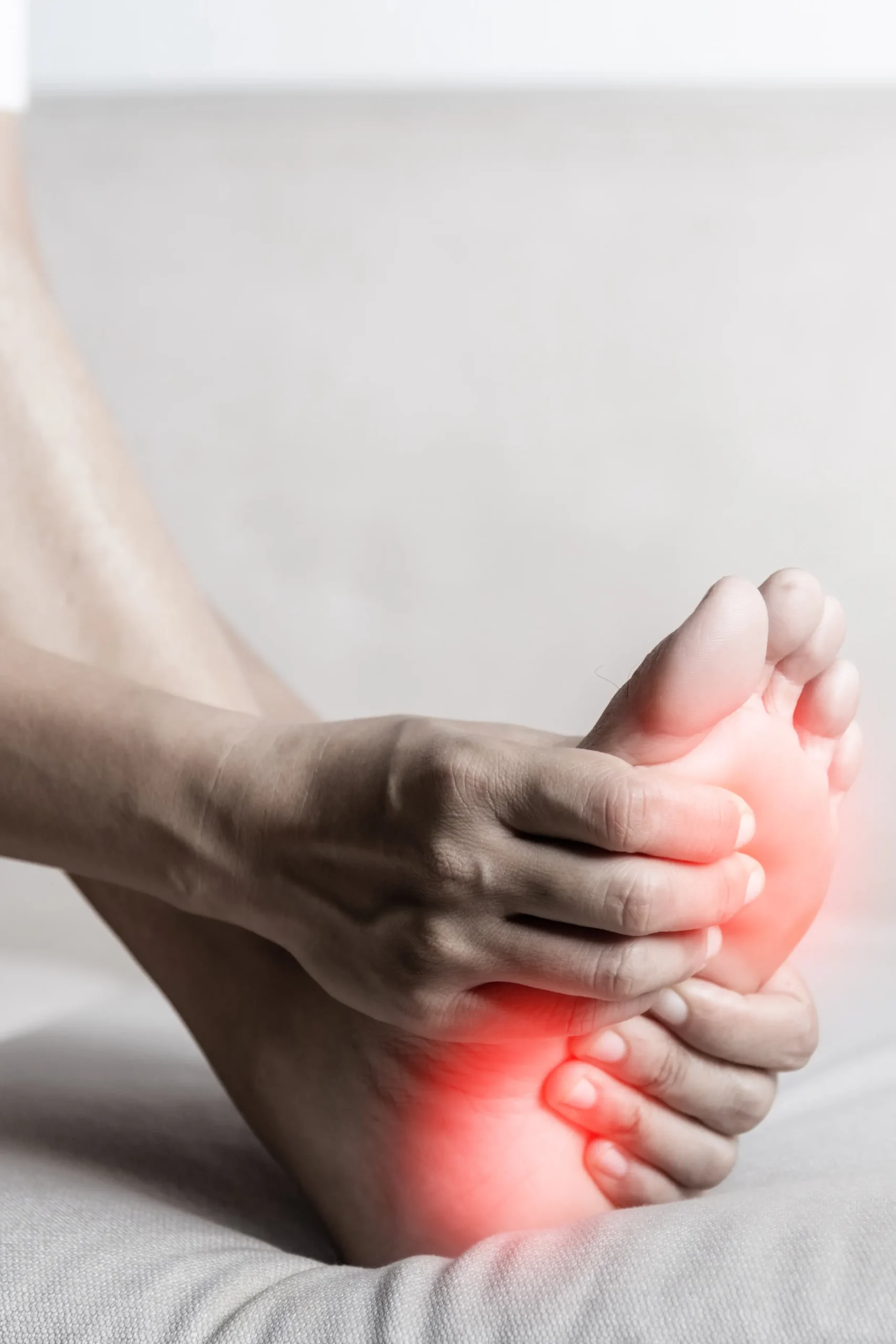
Symptoms: The primary symptoms of gout include:
- Sudden, severe joint pain, especially at night or early morning.
- Swelling and tenderness in the affected joint.
- Redness and warmth over the inflamed joint.
- Limited range of motion in the affected joint.
- Lingering discomfort in the joint after the most intense pain subsides.
Who Gets Gout? Gout can affect anyone, but it is more common in men than women, especially as they age. Other factors that increase the risk of gout include:
- A family history of gout.
- Obesity and dietary factors, particularly high consumption of red meat, seafood, and sugary drinks.
- Certain medications, such as diuretics.
- Medical conditions, including high blood pressure, diabetes, and kidney disease.
Diagnosis: Diagnosing gout involves several steps:
- Medical History and Physical Examination: The doctor will review your symptoms, family history, and lifestyle factors.
- Blood Test: Measures uric acid levels in the blood, although high levels alone don’t confirm gout.
- Joint Fluid Test: A small sample of fluid from the affected joint is examined under a microscope for uric acid crystals, the definitive sign of gout.
- Imaging: X-rays, ultrasounds, or dual-energy CT scans may be used to detect uric acid crystal deposits in the joints.
Treatment Options:
- Medications: Nonsteroidal anti-inflammatory drugs (NSAIDs), corticosteroids, and colchicine are commonly prescribed to manage pain and inflammation.
- Uric Acid-Lowering Therapy: Medications like allopurinol or febuxostat help reduce uric acid levels and prevent future gout attacks.
- Lifestyle Changes: Weight management, dietary modifications, and limiting alcohol intake can significantly reduce the risk of recurrent gout attacks.
Self-Management:
- Stay Hydrated: Drinking plenty of water helps flush uric acid from the body.
- Dietary Adjustments: Limiting purine-rich foods (like red meat, seafood, and alcohol) can help manage uric acid levels.
- Regular Exercise: Maintaining a healthy weight through exercise can reduce gout risk.
- Manage Stress: High-stress levels may trigger gout flares, so incorporating stress-relieving activities is beneficial.
Rheumatological Conditions
We’re Here Whenever You Need Us
marketing@kpmc.com.my
Whatsapps
+6012 324 2408